
In this article 14 sections
Malaysia is one of Asia’s most practical remote-work bases: English is widely used, mobile and fiber connections are strong, food is diverse, and Kuala Lumpur connects efficiently across the region. Penang adds heritage and a slower pace. The country is especially interesting because it offers a formal DE Rantau Nomad Pass route for eligible applicants.
Editorial note: this guide was reviewed in August 2026. Immigration rules, prices, and service availability can change. Always confirm visa eligibility with the linked official authority before booking.
Key takeaways
- Kuala Lumpur delivers excellent infrastructure and regional connections at a moderate cost.
- Malaysia Digital Economy Corporation publishes the DE Rantau Nomad Pass process and document requirements.
- Penang suits a slower food-and-culture-focused stay, while KL is stronger for transport and networking.
- A comfortable solo budget often ranges from $1,100 to $2,100 per month.
- Humidity and car-oriented districts make neighborhood selection important.
Is Malaysia a good base for digital nomads?
Malaysia suits remote workers who want reliable infrastructure without the pricing of Singapore. Kuala Lumpur provides modern condominiums, coworking, malls, hospitals, and a major airport. Penang is more compact in spirit, with George Town culture and strong food. The trade-offs include year-round humidity, heavy rain, and neighborhoods where apparently short journeys require a car.
| Planning factor | What to expect |
|---|---|
| Best for | Infrastructure, food, regional flights, longer stays |
| Popular bases | Kuala Lumpur, George Town/Penang |
| Planning budget | $1,100–$2,100+ per month |
| Main watch-outs | Pass eligibility, humidity, neighborhood walkability |
Visa options and the legal right to work remotely
Malaysia Digital Economy Corporation publishes the DE Rantau Nomad Pass for eligible foreign digital professionals and remote workers. Official materials describe the application, documentary proof, family options, and renewal framework. Requirements evolve, so use the current application checklist rather than an older blog summary.
Check the MDEC DE Rantau Nomad Pass guidance for current eligibility, documentary requirements, fees, and application instructions. A tourist admission and permission to work are not automatically the same thing; choose a status that fits your nationality and activity.
Arriving with a one-way ticket
Malaysia is a major air hub, and many travelers arrive while planning a later regional move. Keep the pass or entry permission, first address, and departure plan available. A low-cost regional flight can look simple, but luggage rules and separate-ticket connections need enough buffer.
Read our destination-specific guide to proof of onward travel for Malaysia before check-in. Airline staff may apply document checks before departure even when the final admission decision belongs to immigration.
The best places to live and work
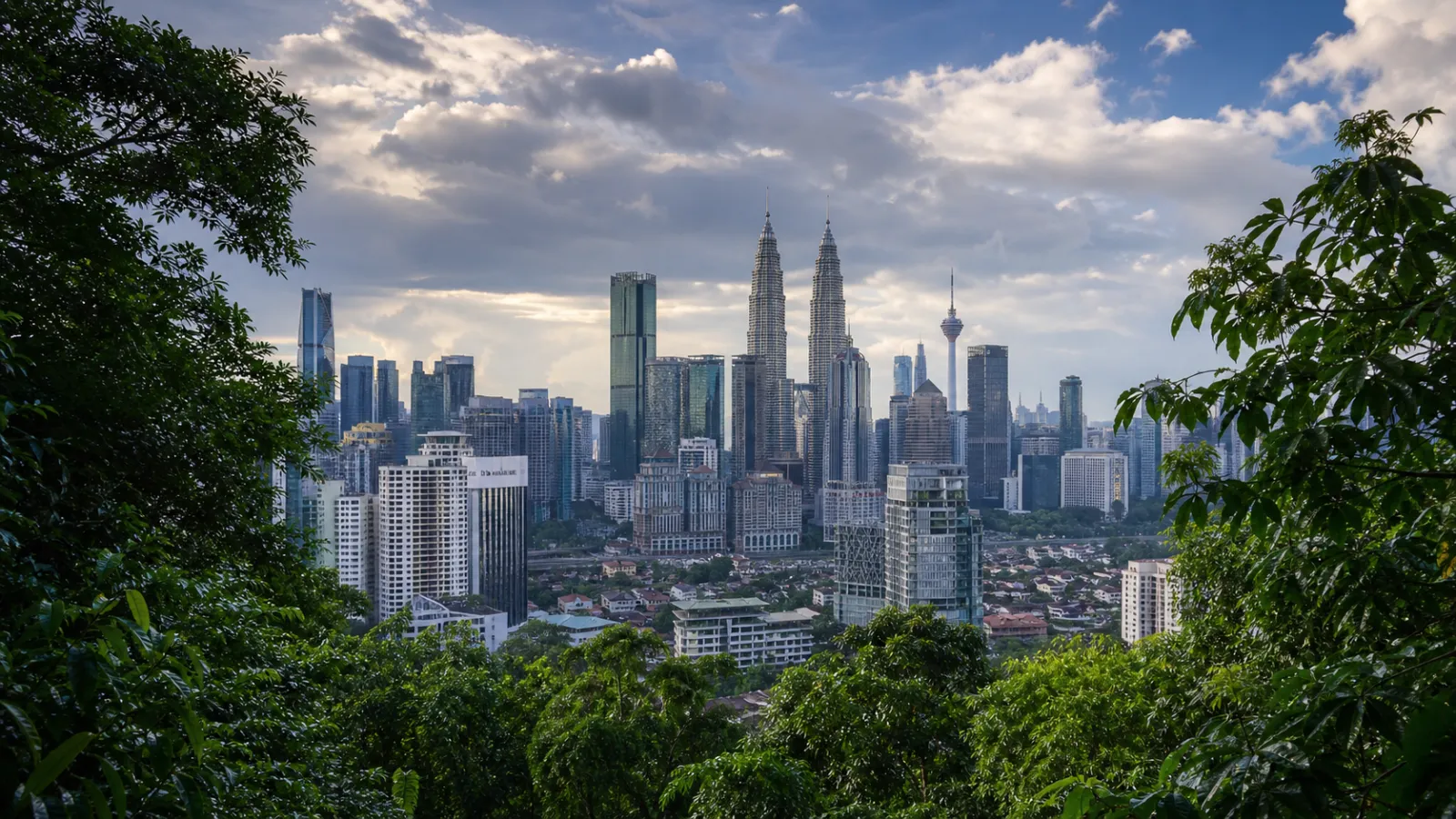
Kuala Lumpur: KLCC is central and polished; Bukit Bintang is energetic; Bangsar balances restaurants and residential life; Mont Kiara offers large condominiums but greater car dependence. Penang: George Town provides culture and cafés, while Tanjung Tokong and Tanjung Bungah offer newer housing and coastal access.
Treat your first booking as a landing pad rather than a permanent decision. A seven-to-fourteen-night stay gives you time to test noise, transport, mobile coverage, desk comfort, and the neighborhood at the hours when you actually work.
Internet, coworking, and the workday
Fiber-equipped condominiums and coworking spaces are common in Kuala Lumpur, and mobile data is a practical backup. Penang is also well connected in established neighborhoods. Ask about building management, construction, and whether advertised facilities are actually available to short-term tenants.
Before paying for a month, request a recent speed test from the exact room, ask whether the connection is shared, and confirm the mobile signal inside the property. Keep an eSIM or local data plan as a backup for calls and deadlines.
A realistic monthly budget
Condominiums can provide pools, gyms, and work areas at competitive monthly rates, but short-term platform pricing is higher than local leases. Hawker food keeps everyday costs manageable. Alcohol, imported goods, central serviced apartments, and frequent ride-hailing increase the total.
| Expense | Practical planning range |
|---|---|
| Furnished accommodation | $500–$1,100 |
| Food and coffee | $300–$600 |
| Coworking and connectivity | $80–$230 |
| Local transport | $80–$250 |
| Typical total | $1,100–$2,100+ |
These ranges are planning estimates for one person, not live quotations. Season, neighborhood, lease length, exchange rates, and lifestyle can move the total substantially. Compare the full price including taxes, cleaning, deposits, utilities, and platform fees.
Getting around without losing work time
Kuala Lumpur’s rail network works well along selected corridors, but not every attractive condominium is convenient without a car. Verify the walk to the station in heat and rain. Penang relies more on buses, ride-hailing, and careful neighborhood choice. Regional flights are plentiful from Kuala Lumpur’s airport system.
Check routes, fares, and operating information with Malaysian Ministry of Transport before making a housing decision around a commute.
Best time to go
Malaysia is warm and humid throughout the year, with rainfall patterns varying by coast. Short intense storms are normal. Plan indoor alternatives and check island monsoon conditions separately. Major festivals can affect opening hours, transport demand, and accommodation availability.
Use Malaysian Meteorological Department for current forecasts, warnings, and destination-specific conditions close to departure.
Safety and everyday resilience
Malaysia is generally comfortable for newcomers. Road crossings, bag and phone security, tropical weather, and occasional rental scams deserve attention. Use official transport channels, verify landlords, and respect local rules and religious norms, which differ from district to district.
Review the latest UK government travel advice for Malaysia alongside local authority updates before travel, especially when your route crosses several regions.
Use the same precautions you would in any unfamiliar city: protect devices in transit, avoid displaying valuables, keep cloud backups, and store passport copies separately. Travel insurance should match your planned activities and length of stay.
Useful services to compare before booking
Compare transit-friendly accommodation, suitable health insurance, local data, airport transfers between the correct terminal and city, and regional activities with weather-aware cancellation. For long stays, understand deposits, utilities, and inventory before paying.
Disclosure: some recommendations on Safeonward may use affiliate links. If you book through one, we may earn a commission at no additional cost to you. Placement does not replace our independent assessment of whether a service is useful for this trip.
A useful resource section should help you compare accommodation, insurance, connectivity, airport transfers, and activities. Prices and cancellation terms matter more than a familiar logo, so open the final checkout page and verify exactly what is included.
Frequently asked questions
Can I work remotely from Malaysia on a tourist entry?
Do not assume that tourist status authorizes remote work. The answer depends on local law, the source of your income, your nationality, and the length and nature of the stay. Review the official visa source above or obtain qualified immigration advice for your circumstances.
How much should I budget for the first month?
Include a short hotel stay, a condominium deposit, mobile data, transport between viewings, and any pass-related costs. Holding 30% above your planned monthly spend reduces pressure during setup.
Should I book long-term accommodation before arriving?
A short cancellable booking is usually the safer first step. Inspect the room, test the connection, understand the commute, and then negotiate a longer stay. During peak periods, reserve enough nights to avoid making a rushed decision.
What documents should I prepare before flying?
Prepare the passport and visa required for your nationality, accommodation details, proof of sufficient funds where relevant, insurance when required, and evidence of onward travel if requested for your itinerary. Keep both offline and cloud copies.
Your before-you-fly checklist
- Confirm passport validity and the correct visa or residence status.
- Recheck entry rules on the official government website.
- Save accommodation and contact details offline.
- Check whether your airline may request onward travel evidence.
- Arrange primary and backup internet access.
- Compare insurance for the full stay and planned activities.
- Book a flexible first week and inspect longer-term housing locally.
- Keep payment cards, emergency funds, and document copies separate.
Build a flexible Malaysia plan
Kuala Lumpur is the easiest Malaysian starting point for infrastructure and flights; Penang is the stronger lifestyle choice for a slower routine. Use the formal DE Rantau route if eligible, then choose housing by transport and work needs rather than amenities alone.
If your itinerary is still flexible and you need suitable proof of onward travel before check-in, review the Safeonward booking options and choose a route that matches your actual travel plan.
Create a temporary flight reservation for visa files, airline checks, or proof of onward travel.